
Have you ever wondered: Is today’s chaos truly the collapse of society, or could it be an unfinished chapter in humanity’s evolution—a signal that we’re struggling to master the freedom and responsibility balance needed for our next leap forward? In this article, we invite you to look beyond headlines and group divisions, and explore a deep, transformative perspective on what it means to balance freedom with responsibility, both personally and collectively

Naming the Tension in the Freedom and Responsibility Balance
- It’s hard to miss the current intensity and confusion around balancing freedom and responsibility. Many of us feel overwhelmed, caught between demands for personal autonomy and the weight of collective obligations. The pendulum swing—between extreme independence and strict conformity—is more visible than ever, leaving people unsure of what “life balance” should look like in home, work, and society at large.
- To be clear: This exploration isn’t about politics or religion. We’re not picking sides on governance or belief systems. Instead, we’re zooming out—looking at the universal human challenge of integrating two vital, seemingly opposite forces: freedom and responsibility.
- The central premise here is simple but powerful: Humanity isn’t engaged in a war of ideas or cultures, but in a global quest to reconcile and integrate these core polarities. The real conflict isn’t “us vs. them,” but rather, old partial answers vs. a new, more complete way of being human.
“What we’re seeing today isn’t a battle between groups—it’s a battle between incomplete ways of being human.”
What You’ll Learn About the Freedom and Responsibility Balance
- How to recognize and apply the delicate balance between freedom and responsibility in your personal life and across society.
- Accessible metaphors and frameworks for understanding chaos as evolution, not just collapse.
- Practical strategies for weaving together structure and compassion, masculine and feminine energies, and other vital human dualities to foster thriving, resilient communities.
The Human Body: A Metaphor for the Freedom and Responsibility Balance
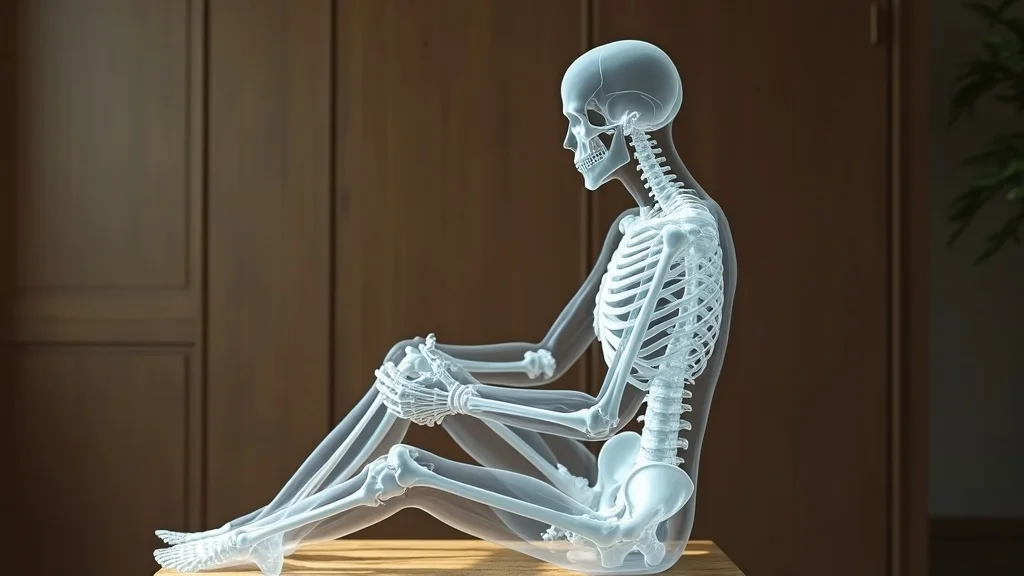
- The skeleton is more than bones: it’s a brilliant structure, providing order, stability, and the containment life needs to flourish. In the freedom and responsibility balance, skeleton represents responsibility, structure, and stability.
- The flesh is where beauty, feeling, compassion, and creative expression emerge. Here, flesh aligns with freedom, adaptability, and expression, offering flexibility, warmth, and meaning.
- Both are essential: A skeleton without flesh is rigid and lifeless; flesh without a skeleton is chaotic and collapses. Our wholeness depends on integrating both structure and compassion, just as our bodies depend on both bones and flesh.
Nature already solved the problem we’re arguing about.
| Metaphor | Freedom Aspect | Responsibility Aspect |
|---|---|---|
| Skeleton | – | Structure, Stability |
| Flesh | Expression, Freedom | – |
For a deeper dive into how these dualities play out in real-world scenarios and why integrating them is essential for both personal and societal growth, you might find the resources and discussions at What’s Next for Humanity especially insightful.
Positive and Negative Energy in Human Nature: Beyond Good vs Evil
- Many people assume positive energy simply means “good,” while negative energy means “bad.” But in the context of the freedom and responsibility balance, positive energy is about direction, structure, and containment—the forces that maintain order and foster responsibility.
- Negative energy is just as vital, symbolizing receptivity, creativity, and responsiveness. It’s not about morality, but function—creative energy, adaptability, and “space” for life to expand are as necessary as order and containment.
- To truly balance freedom and responsibility, we must shift from competition to cooperation: Each force shines brightest in partnership. Same does not mean equal, and equal does not mean identical—both energies are essential for a functional whole.
- https://www.youtube.com/watch?v=aakJCv8L0XA

Masculine and Feminine Energy Balance: Universal Principles & Human Evolution
- The masculine principle is about direction, logic, protection, and discernment—offering containment and clarity. In the freedom and responsibility balance, this is the “responsibility” side: creating safe boundaries, structure, and stability.
- The feminine principle manifests as nurturing, connection, intuition, creativity, and adaptability. Here, you’ll find freedom, receptivity, and flow: the openness to life’s unfolding and the connection that weaves communities together.
- Civilizations thrive when both principles are integrated; they decline when one tries to dominate the other. The masculine and feminine energy balance is a universal principle, not a discussion of gender, and fostering both in ourselves and our societies is vital to true growth and an evolved understanding of freedom and responsibility balance.
Civilizations rise when masculine and feminine energies are integrated. They fracture when one tries to dominate the other.

Historical Lens: Polarity, Science, and Religion in Freedom and Responsibility Balance
- History shows a pattern: early societies emphasized structure, stability, and shared responsibilities—think of ancient codes of conduct. As time passed, movements advocating personal autonomy, rights, and individual expression gained ground.
- Science and religion, once partners in humanity’s quest for understanding, often turned into polarized camps. Where once the two worked hand-in-hand to answer life’s biggest questions, today they often represent opposing worldviews.
- What appears to be social chaos may actually be a temporary state within the evolution of the freedom and responsibility balance. Humanity is not collapsing, but moving toward a more integrated, mature way of being—if we choose to accept the challenge.
Why Extremes in the Freedom and Responsibility Balance Always Fail
- Freedom without responsibility leads to fragmentation, instability, and entitlement—people focus on personal gain without concern for others, undermining the fabric of community and shared purpose.
- Responsibility without freedom breeds repression, fear, and creative stagnation. Life becomes rigid and colorless, with individuals trapped in systems that value obedience over authentic contribution.
- The lesson: Both freedom and responsibility are required for sustainable evolution. Any extreme—be it total autonomy or total control—leads to collapse, not progress. True life balance means holding both, even when it feels uncomfortable.

The Evolutionary Invitation: Integrating Freedom and Responsibility
- Our call to maturity is to embrace the tension—balancing freedom and responsibility—even when it feels unresolved. The best moments of personal growth and collective breakthrough often come not when the answers are clear, but when we endure the discomfort of both/and integration.
- Embracing structure and compassion, masculine and feminine, positive and negative energies is the doorway to a more resilient, humane society. Integration—not polarization—is the mark of genuine human development.
Evolution doesn’t destroy the past—it absorbs it.
Personal Application: Living the Freedom and Responsibility Balance
- Try this: Take a quiet moment to reflect. Where do you seek personal freedom without accountability? Where do you cling to structure out of fear, preferring comfort and predictability over growth?
- Develop an internal integration—not just ideological stances—by noticing these patterns in your life. Wisdom comes from practicing, not just knowing, the balance between freedom and responsibility.
- If you want to live authentically: Commit to embodying both sides in daily decisions. Celebrate your autonomy, but ask how your choices contribute to the greater whole. Recognize boundaries not as limits, but as launching pads for creative, responsible living.
Real-World Examples: Balancing Freedom and Responsibility in Daily Living
- Remote work: Many now enjoy flexible schedules, but the delicate balance comes in pairing this autonomy with clear communication and accountability to teams. True success in remote settings hinges on self-discipline and transparency.
- College years: Young adults often experience their first real taste of personal freedom—making decisions independently, juggling classes, and exploring identity. But meaningful growth only happens when students also accept responsibility for their actions, studies, and contribution to their campus and community.
- Mental health: Thriving requires balancing internal self-care routines with the external structure of appointments, commitments, and supportive relationships. Finding healthy ways to set boundaries and seek help exemplifies this integration of freedom and responsibility.

- Watch: This animated video below demonstrates how order and freedom can weave together in workplaces, families, and communities, highlighting the integration of opposites at the heart of human development and society.
People Also Ask About Freedom and Responsibility Balance
How do you balance freedom and responsibility?
- Start by clarifying your values—what freedoms matter most, and what responsibilities you can genuinely own? Then, use practical tools: set boundaries, develop daily routines, and practice self-awareness. At work, this might look like communicating proactively during remote work, or collaborating respectfully even while advocating for your needs. In your personal life, balance “me-time” with commitments to family or community. The key is not perfection, but honest reflection and regular adjustment—embracing the tension as part of living authentically.
What is the connection between freedom and responsibility?
- Freedom, when untethered from responsibility, can erode trust and create disorder; responsibility without freedom turns life into routine and fear. Responsibility gives meaning and structure to freedom, grounding it in real-world consequences and relationships. Likewise, freedom brings life and creativity to responsibility, preventing duty from becoming dry or oppressive. The two require each other for genuine life balance.
What is the paradox of freedom and responsibility?
- This paradox highlights that true freedom emerges only when paired with responsibility. If everyone insists on absolute freedom, chaos reigns; if everyone enforces strict rules, life becomes repressed. The “delicate balance” is that we each grow by learning how to self-govern—embracing both autonomy and accountability at the same time, which leads to a society that is both free and sustainable.
What is the freedom and responsibility theory?
- Several philosophical frameworks (like those by Viktor Frankl and transformational coaching models) explore how balancing freedom and responsibility underpins human flourishing. Historically, this theory appears across cultures: it’s found in ancient law codes (structure), but also in creative, spiritual, and scientific breakthroughs (freedom). The most resilient societies cultivate both—rewarding autonomy, but expecting each member to care for the whole.
FAQs: Navigating the Freedom and Responsibility Balance
- What happens when societies over-prioritize either freedom or responsibility? Extreme freedom creates chaos and entitlement, while extreme responsibility stifles innovation and breeds fear. Neither extreme is sustainable; thriving societies balance both, evolving through integration.
- Can the freedom and responsibility balance be taught or is it innate? While some may be naturally inclined one way or another, the balance is mostly learned—through family, education, culture, and experience. It can and must be intentionally practiced in each generation.
- How do modern societies encourage this balance? Through systems that support both autonomy and accountability: flexible workplaces (like remote work with guidelines), civic participation, rights paired with duties, and institutions (schools, gov websites, support services) that give individuals structure and compassion at once.
Key Takeaways on Freedom and Responsibility Balance
- Today’s chaos may well be a sign of unfinished, evolutionary integration—not collapse.
- Balancing freedom and responsibility is both a personal and collective journey each of us navigates in family, work, and community.
- Integration—rather than polarization or extremes—brings genuine progress.
Conclusion: Growing Into the Freedom and Responsibility Balance
- The future belongs to those who learn—individually and together—to fully embody both freedom and responsibility, forging unity where there was once only division and chaos.
The future doesn’t belong to one side. It belongs to those who can integrate both.
If this exploration has sparked your curiosity about humanity’s ongoing transformation, there’s a wealth of broader perspectives waiting for you. By delving into the evolving questions and future possibilities at What’s Next for Humanity, you can expand your understanding of how these foundational balances shape not just individuals, but the trajectory of our entire species. Discover advanced insights, connect with a community of forward-thinkers, and equip yourself with the knowledge to navigate—and influence—the next stage of human evolution. The journey toward integration is just beginning, and your next step could redefine what’s possible for both you and society.
Explore More on Humanity’s Evolution
- Visit: https://whatsnextforhumanity.com for continued learning, resources, and community discussions on the freedom and responsibility balance.
Sources
- https://whatsnextforhumanity.com – What’s Next for Humanity
- https://www.geneva.edu/blog/life-balance/balancing-freedom-and-responsibility – Geneva College: Balancing Freedom and Responsibility
- https://www.viktorfrankl.org – Viktor Frankl Institute
- https://www.psychologytoday.com/us/blog/freedom-and-responsibility – Psychology Today: Freedom and Responsibility
- https://www.bbc.com/worklife/article/20210215-how-to-balance-freedom-and-structure-in-remote-work – BBC Worklife: Balance in Remote Work